Updated July 2026
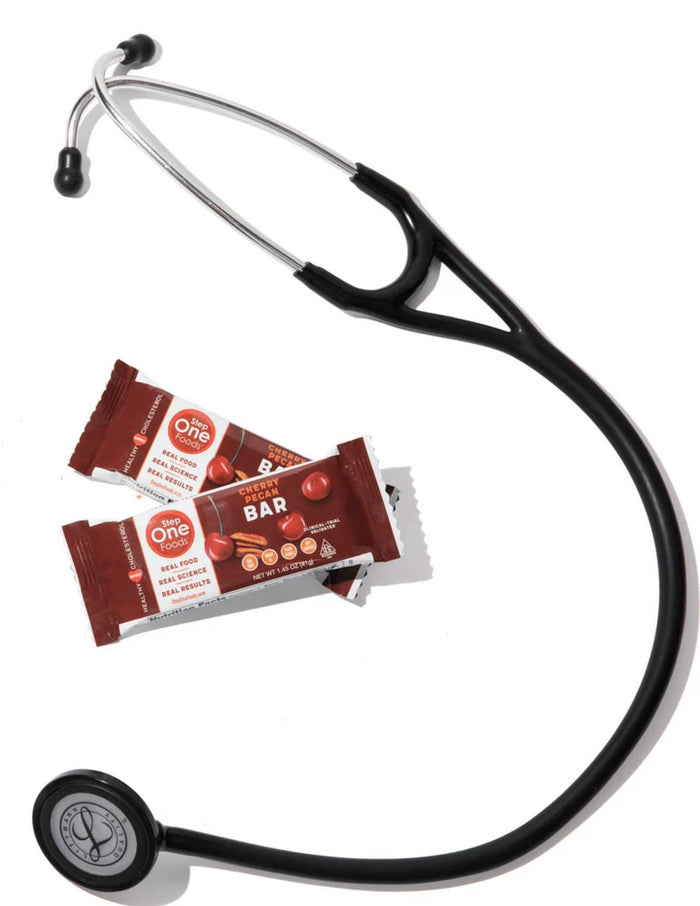
Most people associate fiber with better digestion, but this nutrient does far more than keep things moving. It is a cholesterol lowering powerhouse, a microbiome fuel essential to weight loss and natural GLP-1 production, one of the most important components of a heart-healthy diet, and a foundational building block of every Step One Foods product. If you are working to improve your health, understanding fiber is a good place to start.
What are the health benefits of fiber?
Fiber works on several of the biggest risk factors for heart disease at once. Soluble fiber binds to cholesterol in the digestive tract and carries it out of the body, which lowers LDL cholesterol and can bring down triglycerides as well. Because high-fiber foods take longer to chew and digest, they also help you feel full while also feeding the gut bacteria that naturally produce GLP-1, making them useful for managing weight. And fiber slows the absorption of sugar, leading to steadier blood sugar levels and a lower risk of the insulin resistance that drives type 2 diabetes, itself a major contributor to heart disease.
Can fiber actually reduce the risk of heart disease?
Yes. In a pooled analysis of ten large studies, each additional 10 grams of fiber per day was associated with a 14 percent lower risk of coronary events and a 27 percent lower risk of dying from heart disease. That is a meaningful return on a small dietary change that's not even dependent on a cholesterol number. Every serving of Step One Foods is built around natural fiber, and two servings a day provide at least 10 grams, which goes a long way toward that daily risk-reducing goal.
How much fiber do you need each day?
The Institute of Medicine recommends:
- 25 grams a day for adult women
- 38 grams a day for adult men
Most Americans fall well short, averaging only about 15 grams a day. Closing that fiber gap with real, whole foods is one of the simplest ways to help your heart, and if you want the specifics on hitting your number, see how much fiber you really need.
What is the difference between soluble and insoluble fiber?
Both matter, and they do different jobs:
- Soluble fiber dissolves in water and helps lower cholesterol and blood sugar. It is found in oats, apples, psyllium and beans.
- Insoluble fiber does not dissolve. It keeps things moving and feeds the healthy bacteria in your gut. It is found in whole grains, nuts, seeds, and vegetables.
Step One Foods products are formulated with a balance of both, about one-third soluble and two-thirds insoluble, to cover both sets of benefits. Getting a wide range of fiber types is its own goal, which is why fiber variety matters.
Does it matter whether fiber is natural or added?
It matters a great deal. Natural fiber comes packaged with everything else the plant made alongside it: the antioxidants, phytonutrients, vitamins, and minerals your body knows how to use together. Added fiber is often a marketing story, a synthetic or isolated fiber stirred into a processed product so the label can claim a high number. That number is not the whole picture, so it pays to read the ingredient list, get your fiber from whole foods whenever you can, and understand the difference the wrong fiber makes.
Adding more fiber is one of the simplest, most effective changes you can make for your cholesterol, your weight, and your blood sugar. That is why every Step One Foods product is designed to deliver real, whole-food fiber, from ingredients like grains, fruits, and nuts and seeds, with no fillers or shortcuts.
If you're new to this site and found this useful, I write one of these evidence-based articles every week. You can get them in your inbox by joining my email list at the bottom of this page. No spam, no requirement to buy anything, just practical knowledge.


From Dr. KlodasFood, but with a
Try Step One Foods Today
Food, but with a
medical degree.
I built Step One Foods for my patients. Two servings a day replace the breakfast and snack you already eat.
Tested in a double-blind, randomized crossover trial conducted at Mayo Clinic and the University of Manitoba, 80% of participants lowered their LDL in 30 days.
Your first order is backed by our money-back guarantee.