Updated July 2026
As we get older, protecting cognitive function becomes one of the most valuable things we can do for our future selves. There's no guaranteed way to prevent dementia, but the evidence keeps pointing to lifestyle choices that meaningfully lower the risk, and one strategy stands out above the rest: the Mediterranean diet.
What's the evidence that it protects the brain?
A decade of research, and some of the strongest comes from hard biological data rather than food diaries. A study from the University of Barcelona followed nearly 850 adults aged 65 and older for 10 years. Rather than relying only on what people said they ate, which is notoriously unreliable, the researchers measured actual biomarkers in participants' blood, like omega-3 fatty acid levels. The results were clear: people who genuinely adhered to a Mediterranean pattern were significantly less likely to experience cognitive decline. Eating this way appears to protect the brain and delay age-related cognitive trouble.
What does the Mediterranean diet actually involve?
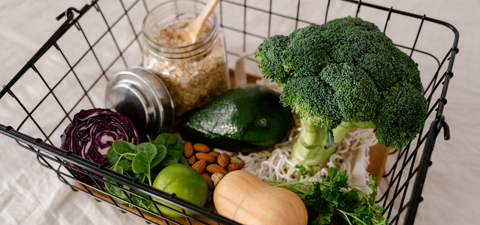
It's less a rigid diet than a way of eating built around whole, nutrient-dense foods. The core is vegetables, fruits, and whole grains; healthy fats like extra-virgin olive oil and omega-3-rich fish; and plant proteins such as beans, lentils, nuts, and seeds, with herbs and spices doing the work that salt often does elsewhere. It leans away from red and processed meats, sugary foods and drinks, refined carbohydrates, and high-sodium processed food. Just as important, it treats meals as something to enjoy, often with other people, and pairs eating well with staying physically active. That combination of good food and connection is itself part of the brain benefit.
Why is it so effective for the brain?
Because it works on every pathway that matters at once. This is the same theme that runs through all of preventive cardiology: the Mediterranean pattern reduces the risk of heart disease, metabolic syndrome, and some cancers, supports a healthy gut microbiome, and keeps cholesterol in a good range, all of which feed back to the brain through healthier blood vessels. There's also a more direct nutritional angle: one study found that people with Alzheimer's disease had markedly lower levels of key micronutrients, like vitamin E and lutein, that happen to be abundant in Mediterranean-diet staples. The nutrients that protect the brain are exactly the ones this way of eating delivers in quantity.
How do you get started without overhauling everything?
Change one habit at a time. You don't have to transform your kitchen overnight to benefit. Add more fresh vegetables to the meals you already make. Cook with olive oil instead of butter. Use nuts and seeds and Anytime Sprinkle, as toppings for salads or yogurt. Work fish into your week, aiming for about two servings. Small, consistent changes compound into real benefits over time, especially alongside regular movement and paying attention to how and with whom you eat.
That's the philosophy behind Step One Foods: make the nutrient-dense, whole-food choice the easy one. Eating this way protects your brain, your heart, and your overall quality of life as you age, and it matters even more if you carry a higher-risk gene like ApoE. For a specific, delicious place to begin, see how berries slow brain aging, and for the bigger picture, why what's good for your heart is good for your brain.
If you're new to this site and found this useful, I write one of these evidence-based articles every week. You can get them in your inbox by joining my email list at the bottom of this page. No spam, no requirement to buy anything, just practical knowledge.


The Science Behind It
Tested & Proven Results.
- Cardiologist formulated
- Supported by over 500 publications
- Clinically-proven, in a double-blind randomized trial with Mayo Clinic and The University of Manitoba
80% of participants lowered their cholesterol in just 30 days. With just two servings per day, Step One Foods offers a proven-effective way to naturally lower LDL (bad) cholesterol.
Try Step One Foods Today!