Updated July 2026
Fiber is one of the most powerful nutrients for supporting long-term health, yet one of the most under-consumed. From improving cholesterol to promoting a healthy gut and reducing disease risk, fiber does far more than keep digestion on track. But how much do you actually need to experience these benefits?
How much fiber do you need each day?
According to the American Heart Association, women should aim for at least 25 grams of fiber per day and men should target 38 grams. Unfortunately, most Americans only get about 15 grams, roughly half the recommended amount.
That shortfall comes with real consequences. Studies consistently show that higher fiber intake is linked with significantly lower risks of cardiovascular disease, type 2 diabetes, certain cancers, and even premature death. One large analysis found that every 10-gram increase in daily fiber intake was associated with a 12% reduction in all-cause mortality. In other words, getting enough fiber can literally add years to your life.
What does that look like in real food?
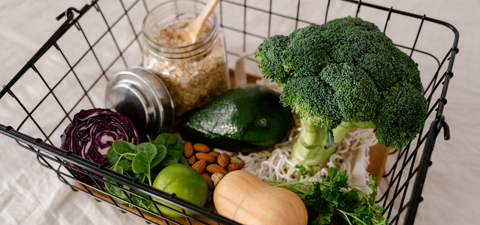
Grams can feel abstract, but when you start looking at real foods, reaching your daily target becomes much more achievable. One medium apple provides about 4 grams of fiber. A small handful of almonds adds another 4 grams. A cup of cooked lentils contributes roughly 15 grams. That simple combination brings you to 23 grams, nearly a full day's worth. Add a serving of vegetables at dinner and you've met the goal.
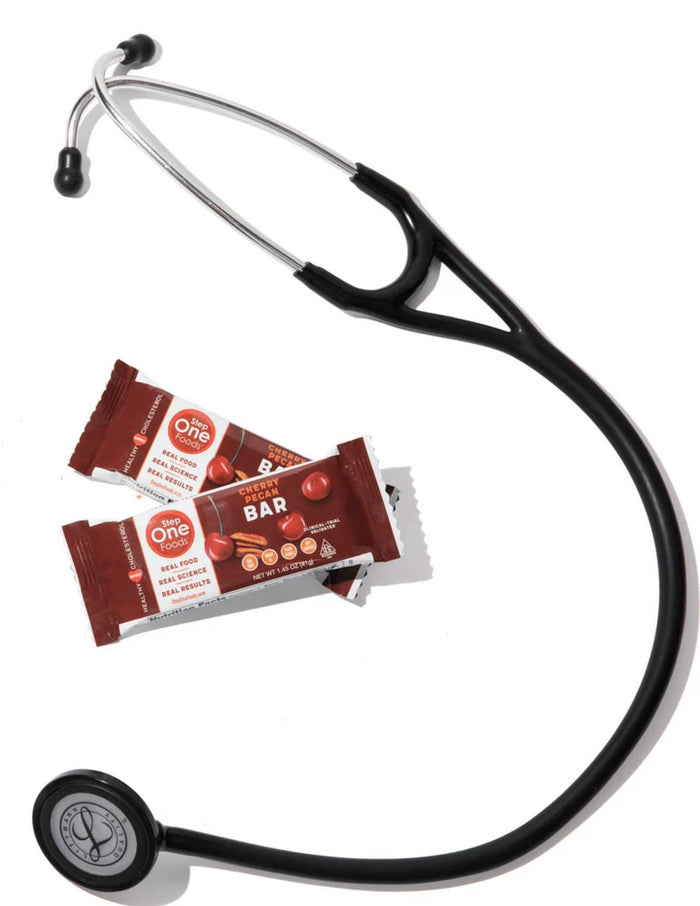
When I created Step One Foods, one of my goals was to help close the fiber gap. That's why two daily servings of our products deliver at least 10 grams of fiber, using only whole-food ingredients like chia seeds, oats, and walnuts. These foods naturally provide the types of fiber — soluble, insoluble, and fermentable — from the variety of sources your body and microbiome need to function optimally. If the average person is missing about 10 grams of fiber per day, two servings get you there, without supplements or drastic diet changes. It's not about perfection or counting grams, but about building habits that naturally move you toward balance.
Why does fiber matter so much?
When you consistently eat enough fiber, your body reaps wide-ranging benefits. Soluble fiber helps lower LDL (“bad”) cholesterol by binding to it in the digestive tract and carrying it out of the body. Insoluble fiber helps regulate digestion and supports a healthy gut environment. Together, they promote steadier blood sugar, better weight management, and improved cardiovascular health.
Fiber also feeds your gut microbiome, the community of trillions of bacteria that influence everything from immune function to inflammation levels. A diverse, fiber-rich diet helps your gut thrive, which in turn benefits your entire body. Just keep in mind that where your fiber comes from matters: whole-food fiber does this work in a way that isolated fiber supplements can't fully replicate.
How do you add fiber without digestive trouble?
The good news is that adding more fiber doesn't require a total diet overhaul. Small, consistent changes make a big difference. Swap refined grains for whole versions like oats or quinoa. Snack on nuts instead of chips. Add a spoonful of chia or flaxseed to your yogurt. Keep fruit visible on the counter so it's easy to grab. And if adding fiber has ever left you bloated, the fix is usually to go slower and drink more water.
The bottom line
Getting enough fiber is one of the easiest and most effective steps you can take for better health. It supports your heart, helps regulate blood sugar, improves gut function, and may even extend your life. By choosing fiber-rich foods, or incorporating convenient options like Step One, you can close the fiber gap and feel the difference every day.
If you're new to this site and found this useful, I write one of these evidence-based articles every week. You can get them in your inbox by joining my email list at the bottom of this page. No spam, no requirement to buy anything, just practical knowledge.


The Science Behind It
Tested & Proven Results.
- Cardiologist formulated
- Supported by over 500 publications
- Clinically-proven, in a double-blind randomized trial with Mayo Clinic and The University of Manitoba
80% of participants lowered their cholesterol in just 30 days. With just two servings per day, Step One Foods offers a proven-effective way to naturally lower LDL (bad) cholesterol.
Try Step One Foods Today!