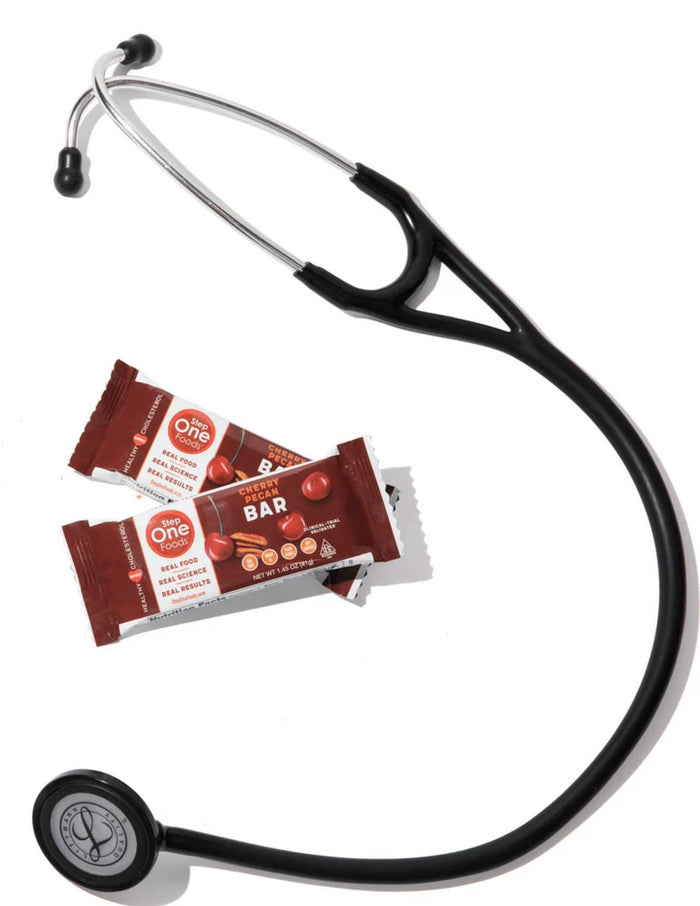
In the world of wellness, "heart health" can feel a bit... yesterday. Today, headlines are dominated by the shiny and new: GLP-1s, protein and more protein, dementia prevention, and "biohacking" for longevity.
But here is the reality: the heart is the engine that makes all of those goals possible. Without it, everything stops. Literally.
GLP-1s and protein powders don’t matter if there is no delivery system to get those compounds where they need to go. There is no longevity without a strong pump, and there is no high-functioning brain without a consistent, oxygen-rich blood supply.
So why isn't the heart front and center of every health conversation?
The 100-Year Engine
The reason we overlook our hearts is that they are remarkably humble. They do their jobs without fanfare, beating roughly 100,000 times a day, 365 days a year, for a century.
Imagine a car engine running constantly for 100 years. It’s almost inconceivable. Now, imagine running that engine, day in and day out, on the wrong fuel! That 100-year run becomes impossible.
Yet, most of us fuel our cars better than we fuel our bodies. If your car manual calls for "Premium Unleaded Only," you’ll drive across town to find the right pump. You wouldn't dream of putting soda in your gas tank.
So why do we do it to our hearts?
The Wrong Fuel
Your heart’s "owner's manual" is clear. To run for a century, it requires:
- Whole-food fiber to manage cholesterol.
- Antioxidants to protect vessel walls.
- Healthy fats to reduce inflammation.
- Plant sterols for an extra layer of protection.
Despite this, many of us "refuel" with cheeseburgers, chips, and diet sodas—options that provide exactly zero of the nutrients the heart needs to survive.
The Power of Resilience
The heart and our blood vessels are amazingly resilient. To a point. They will compensate, adapt, and push through—until they can’t. When that "compensation" ends, we meet the reality of high blood pressure, coronary blockages, strokes, and heart failure. Conditions that require medications to manage. Sometimes a LOT of medications.
In fact, the average patient with heart failure takes 7 to 8 prescription medications every single day. When your breakfast consists of a handful of pills, your heart is finally speaking up. It’s letting you know it’s in trouble.
The Good News: You Can Reverse Course
The same resilience that allows the heart to endure years of neglect also allows it to heal.
If you change your fuel today, you can begin to undo the damage. You can help your medications work more efficiently, and in many cases, you can work with your doctor to reduce them. Nothing says "health" quite like a shrinking mound of pills.
The Bottom Line: Your heart is the engine of your life. Treat it with the respect it deserves. Fuel it correctly today so it can go back to doing its job—silently, reliably, and for a very long time.


The Science Behind It
Tested & Proven Results.
- Cardiologist formulated
- Supported by over 500 publications
- Clinically-proven, in a double-blind randomized trial with Mayo Clinic and The University of Manitoba
80% of participants lowered their cholesterol in just 30 days. With just two servings per day, Step One Foods offers a proven-effective way to naturally lower LDL (bad) cholesterol.
Try Step One Foods Today!