If you’ve ever flipped through a wellness magazine or used social media, you’ve likely seen references to the Whole30 “not a diet” eating plan. In fact, it’s become so popular that Chipotle has a menu item that’s officially approved by Whole30 (carne asada).
Whole30 is billed as a 30-day reset -- not a long-term diet -- so as a doctor, it’s not as concerning to me as the other fad diets I’ve written about. So if you need a strict eating plan to break some bad habits, this might even be a good place to start. (Just read this first: Putting restrictions on food is not healthy for everyone.)
The premise of this elimination diet is to eat three "clean" meals a day, made with Whole30-approved ingredients (think: meats, seafood, veggies, and eggs) -- similar to the Paleo diet, except it ends after 30 days.
But just because it ends after 30 days, doesn’t mean that everything about it is OK. You’re missing out on a lot of health-promoting ingredients under this plan (like whole grains, fruits and legumes), and favoring some that might not be all that good for you (animal-based protein). So I would definitely not recommend it as a long-term eating strategy.
But here’s the thing: Even with the boost from convenience super-star Chipotle, and even though it only lasts a month, Whole30 is a major commitment. Founder Melissa Urban acknowledges this: “Grocery shopping, meal planning, dining out, explaining the program to friends and family, and dealing with stress will all prove challenging at some point during your program,” she says.
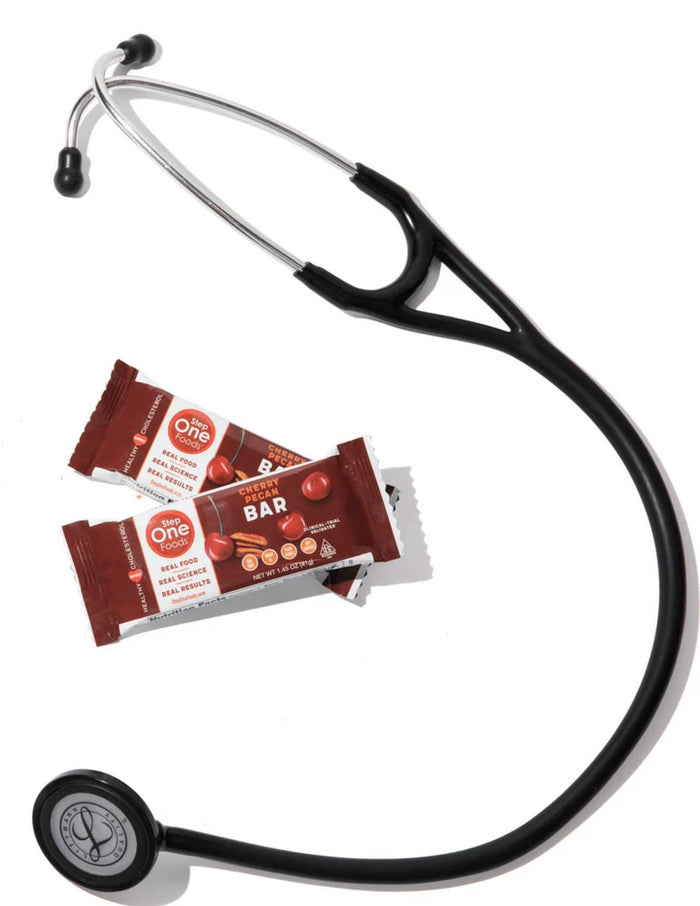
The reality I see in my cardiology practice is that the time and energy all highly structured eating programs require simply isn’t manageable for many. And those are the people I had in mind when I created Step One. I heartily endorse a diet chock full of high-quality whole foods. But if you want to improve your cardiovascular health through food, and there’s no way you can cook three healthful meals a day, you can easily fill the gaps with Step One. Our packaged -- but not processed -- products replace your regular breakfast and snack, without any other dietary changes.
It’s worth noting that Step One products would be banned under Whole30 since every serving of our products contains whole grains (which are essential to health).
Bottom line: If you need a reset and you’re up for the Whole30, go for it. We’ll be here in a month.


The Science Behind It
Tested & Proven Results.
- Cardiologist formulated
- Supported by over 500 publications
- Clinically-proven, in a double-blind randomized trial with Mayo Clinic and The University of Manitoba
80% of participants lowered their cholesterol in just 30 days. With just two servings per day, Step One Foods offers a proven-effective way to naturally lower LDL (bad) cholesterol.
Try Step One Foods Today!