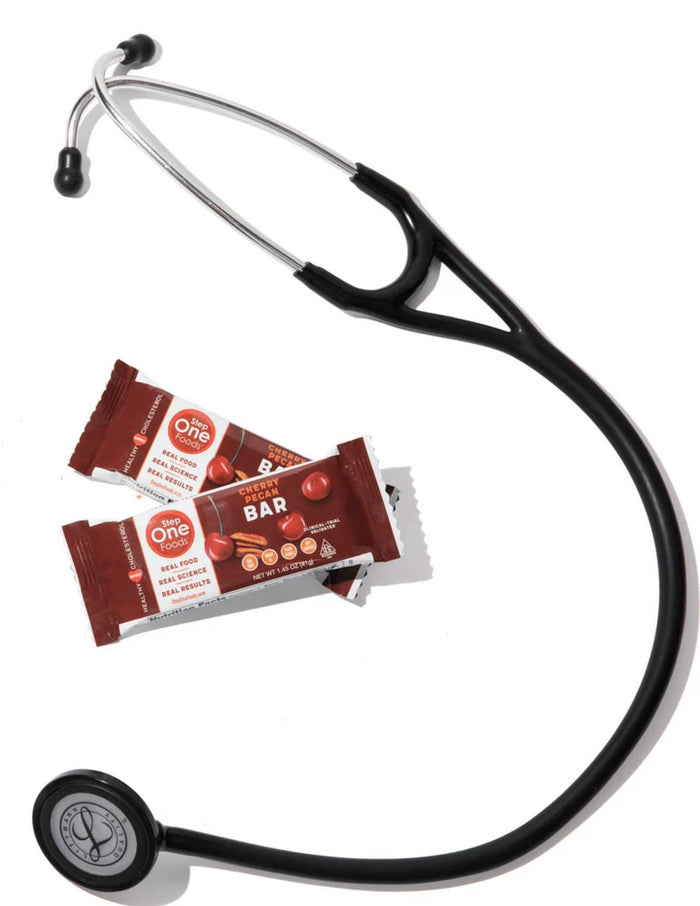
Plenty of people would rather not take a blood-pressure drug every day for the rest of their lives — and often, that's a reasonable goal. Whether you can reach it depends on how high your numbers are, your overall risk, and how much you're willing to change. Here's an honest look at when lifestyle alone can do the job, when medication is genuinely necessary, and why reducing your reliance on drugs is worth the effort.
Can you lower blood pressure without medication?
For many people, yes — especially if your readings are only mildly elevated and your overall cardiovascular risk is low. Most high blood pressure is "essential," meaning it comes from many small contributors piling up rather than one fixable cause; take enough of them away and the numbers come down. Stacked together, lifestyle changes can lower the top number by 20 to 55 points — genuinely in the range of what medications achieve. It isn't guaranteed for everyone, and it's a decision to make with your doctor using home readings, but for a large number of people it's very achievable.
When is blood pressure medication actually necessary?
Sometimes it truly is, and putting it off can be dangerous. Under the current guidelines, medication is generally recommended when readings run 140/90 or higher, or at 130/80 and above if you're at higher cardiovascular risk — meaning established heart disease, diabetes, kidney disease, or an elevated estimated risk. If your pressure is very high, or you've already had a heart attack or stroke, that's not the moment to experiment with lifestyle alone. Medication is protective, it works, and there's no shame in needing it.
Why do people want to avoid blood pressure medication?
Because the drugs, while effective and often necessary, aren't free of side effects. An honest rundown by class: diuretics ("water pills") send you to the bathroom more and can deplete potassium; beta blockers can cause fatigue, sexual dysfunction, and mood changes, and can aggravate asthma; calcium channel blockers commonly cause ankle swelling; and ACE inhibitors are notorious for a nagging dry cough. None of this is a reason to refuse a medication you need — it's the reason that reducing the number and dose you rely on is worth real effort. Lifestyle changes, by contrast, come with only good side effects.
Who is a good candidate to try lifestyle changes first?
The lower your risk, the more reasonable it is to lead with lifestyle. Good candidates usually have mildly elevated (stage 1) readings, no established heart or vascular disease, no diabetes or kidney disease, and a genuine willingness to work on diet, weight, activity, sleep, and alcohol. Even then, do it deliberately: give it a defined window of a few months, track it with home readings, and agree on a clear plan with your doctor — not an open-ended "let's just watch it."
What lowers blood pressure the most?
The biggest levers are weight, diet, sodium, activity, and alcohol, and their effects add up fast: losing weight (5–20 points per 20 pounds), a plant-forward DASH-style diet (8–14), cutting sodium (2–8), moving most days (4–9), and reining in alcohol (2–4). For the full playbook, see how to lower blood pressure naturally, along with what to eat and why sodium matters so much.
The bottom line
Even if you can't get off medication entirely, every change you make lowers the dose and the number of drugs you need — and that means fewer of those side effects and more of how you want to feel. Step One Foods makes the dietary part easier: low in sodium, high in fiber and potassium, working on blood pressure, cholesterol, and weight at the same time. Whatever you decide, track it with home readings, make the call with your doctor, and never stop or lower a medication on your own. If you're just getting oriented with a hypertension diagnosis, start with what should my blood pressure be.
If you're new to this site and found this useful, I write one of these evidence-based articles every week. You can get them in your inbox by joining my email list at the bottom of this page. No spam, no requirement to buy anything, just practical knowledge.
The Science Behind It
Tested & Proven Results.
- Cardiologist formulated
- Supported by over 500 publications
- Clinically-proven, in a double-blind randomized trial with Mayo Clinic and The University of Manitoba
80% of participants lowered their cholesterol in just 30 days. With just two servings per day, Step One Foods offers a proven-effective way to naturally lower LDL (bad) cholesterol.
Try Step One Foods Today!