Updated July 2026
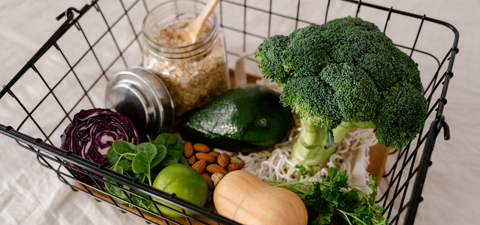
We know that eating plenty of fruits and vegetables, nuts and seeds, and whole, unprocessed grains can help lower cholesterol and trim a waistline. But food can do something more surprising: in some cases, it can change the course of a disease you'd never associate with diet. Prostate cancer is one striking example.
Can diet slow prostate cancer?
The evidence suggests it can, at least in early, low-risk disease. A landmark study evaluated 93 men with biopsy-proven prostate cancer who had chosen not to undergo any conventional treatment such as radiation, surgery, or chemotherapy. Half were randomly assigned to make comprehensive lifestyle changes, centered on a whole-food, plant-based diet, while the other half continued with usual care.
Over the next 12 months, the difference was clear. PSA, a blood marker that tends to rise as prostate cancer progresses, increased by 6 percent in the usual-care group but dropped by 4 percent in the lifestyle group. On top of that, prostate cancer cell growth was more strongly inhibited by the blood of the men in the lifestyle group, and the degree of change tracked with the degree of effort: the more thoroughly a man adopted the diet, the greater his benefit. Any increase in whole-food, plant-based eating was better than none.
Why would a plant-based diet affect cancer at all?
Because the same dietary pattern that protects your arteries appears to create conditions less favorable to disease throughout the body. A whole-food, plant-based diet lowers inflammation, improves insulin sensitivity, and shifts a range of circulating factors in a healthier direction, and those systemic changes don't stop at the heart. This is a recurring theme in the research: the foods that lower your cholesterol tend to help far more than your cholesterol. It's the same principle behind the evidence that diet can arrest and even reverse heart disease.
What does this mean for you?
That what you eat is a genuine lever on your long-term health, well beyond any single number on a lab report. None of this replaces screening or the advice of your own physician, and it doesn't mean diet is a standalone treatment for cancer. But it does mean that the everyday choice to eat more whole, plant-based food is working quietly in your favor on many fronts at once. So the next time you reach for a Step One Chocolate Crunch bar or a bowl of Blueberry & Cinnamon Oatmeal, know that you're eating whole-food, plant-based nutrition that's likely improving your health well beyond your cholesterol panel.
Food matters.
If you're new to this site and found this useful, I write one of these evidence-based articles every week. You can get them in your inbox by joining my email list at the bottom of this page. No spam, no requirement to buy anything, just practical knowledge.

The Science Behind It
Tested & Proven Results.
- Cardiologist formulated
- Supported by over 500 publications
- Clinically-proven, in a double-blind randomized trial with Mayo Clinic and The University of Manitoba
80% of participants lowered their cholesterol in just 30 days. With just two servings per day, Step One Foods offers a proven-effective way to naturally lower LDL (bad) cholesterol.
Try Step One Foods Today!