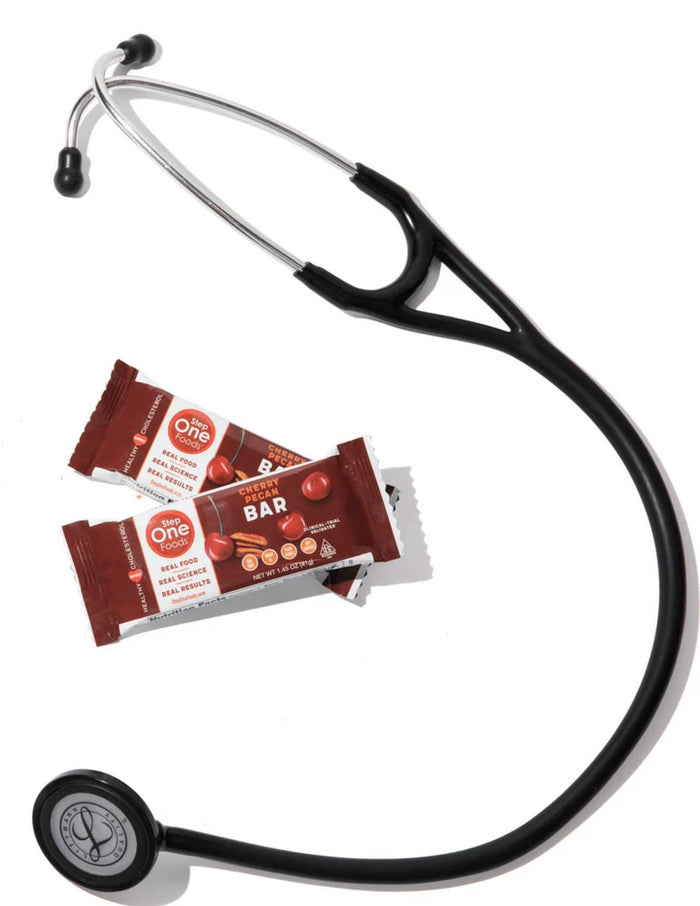
Whether statins cause muscle pain has been actively debated. First, we were told it wasn’t possible since none of the drug approval trials seemed to show it. Then we were told it was possible – because the drug approval trials, in retrospect, had a “run in” period where those who couldn’t tolerate the medication were excluded from participating. Then we were told muscle pain was actually in people’s heads and due to a “nocebo” effect – experiencing a negative impact simply because you are primed to believe something negative will happen. After all, a clever trial proved it!
The pendulum is swinging back to “real” again, this time based on experimental data linked to muscle biochemistry. This is an important development given that some 10% (estimates range from 5% to 30%) of people placed on statins will discontinue the medication due to achiness. And a lot of these individuals will have been told that they were simply imagining it.
Turns out, they probably weren’t after all.
How Common Is Statin Muscle Pain, Really?
Not as common as the internet would have you believe, but common enough to take seriously.
The vast majority of people who take a statin experience nothing. For them, it’s like taking a vitamin – except their cholesterol numbers look much better. But somewhere between 5% and 10% of people experience something – muscle achiness, liver function abnormalities, and brain fog being most common. That means 90% to 95% of statin users have none of those issues.
But because some 90 million Americans are candidates for cholesterol lowering drugs, even if a tiny minority experience an issue while taking a statin, that’s millions of individuals who had a side effect. And guess who is writing about their experience online? This is why googling “statin side effects” makes the side effect profile appear far scarier than it should be.
Having said that, some people experience achiness and until now we really haven’t had any good explanations as to why.
What Did the New Studies Actually Show?
Researchers at Columbia University found that simvastatin can bind to a protein inside muscle cells. This binding opens a channel in the protein, allowing calcium to leak into areas of the cell where it does not normally flow. This errant calcium can weaken muscle fibers directly or activate enzymes that gradually break down muscle tissue.
Meanwhile, scientists at McMaster University discovered that statins can interfere with a process muscle cells rely on for energy signaling, which then turns on an immune response that can damage muscle tissue as well.
This is obviously early lab data and may not explain everything. But two labs, two methods, no coordination between them, and they landed in the same place: the pain is not without a plausible mechanism – or two.
Does This Mean You Should Stop Taking Your Statin?
No. Both studies were done in mouse models and lab-grown muscle cells, not in people. This is the start of the unraveling of a mystery not the final chapter. Meanwhile, the data is overwhelming that individuals with known heart disease, type 2 diabetes, or familial hypercholesterolemia benefit tremendously from being on these medications. So, if you fall into any of these categories, you should be on these drugs.
But if you’re sore or achy and trading feeling well or being able to exercise for nice cholesterol numbers, that’s not acceptable either. What the latest research is telling us is that what you are experiencing is not just related to age, or in your head. Rather, it may very well be an unwanted biochemical reaction - and finding a different statin or a different cholesterol lowering medication is a worthwhile conversation to have with your physician.
What Else Can You Do to Lower Statin-Related Muscle Side Effects?
The first thing to determine is if you need these medications in the first place. Not everyone with high cholesterol must be on a statin. If you don’t have known heart disease, type 2 diabetes or familial hypercholesterolemia, a coronary calcium scan can be very helpful to determine if you could avoid the drugs, at least temporarily.
Using as little medication as possible to get to your cholesterol goal is also important. All statin side effects are dose related. In my own practice I almost always start at the lowest statin dose and work up. Sometimes the lowest dose is all that’s needed to get my patient’s LDL number to goal.
Most importantly, I always advise my patients to do their part. Eating in a way to help lower cholesterol yields massive dividends – not only in reducing the doses of medications needed to get and keep cholesterol at goal but also impacting a multitude of risk factors beyond the LDL number.
Can Supplements Reduce Statin-Related Muscle Side Effects?
Probably not. In truth, the data on supplements is overall disappointing. Vitamin D deficiency can make you more prone to developing muscle achiness with statins, so making sure your vitamin D levels are in a good range and supplementing as necessary seems reasonable.
For CoQ10, the evidence is mixed, but I have seen patients who swear this supplement helped. Unfortunately, neither of these new studies tested it, and CoQ10 levels were not assessed. So there’s no new illuminating data to add here.
How Step One Foods Can Help
People feeling poorly while taking statins is one of the reasons Step One Foods exists in the first place; I started this company to help people rely less on medications, not more.
Soluble fiber, plant sterols, antioxidants, and unsaturated fats lower LDL by changing what your gut absorbs before it ever reaches your bloodstream. These nutrients don't bind a calcium channel. They don't turn on an inflammatory pathway. That's not a claim that food replaces medication for everyone, and it's not a reason to walk away from a statin your doctor has you on without a real conversation first. But if muscle pain is the reason you've been looking for another way to get your numbers where they need to be, that's a gap Step One Foods was built to fill.
For years, the honest answer to muscle pain on a statin was a shrug. Now there's an actual mechanism behind at least some of it, and a food-first option that was never running through those pathways to begin with.
If you're new to this site and found this useful, I write one of these evidence-based articles every week. You can get them in your inbox by joining my email list at the bottom of this page. No spam, no requirement to buy anything, just practical knowledge.

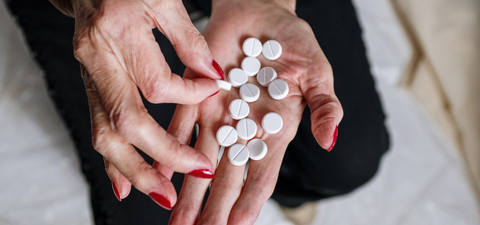

From Dr. KlodasFood, but with a
Try Step One Foods Today
Food, but with a
medical degree.
I built Step One Foods for my patients. Two servings a day replace the breakfast and snack you already eat.
Tested in a double-blind, randomized crossover trial conducted at Mayo Clinic and the University of Manitoba, 80% of participants lowered their LDL in 30 days.
Your first order is backed by our money-back guarantee.