I don't have much patience for two-day miracle diets, three-day cleanses, or any plan promising a dramatic result on a suspiciously short timeline. Cholesterol typically responds to treatment in weeks to months, not days. So when a headline claims otherwise, my default assumption is to be skeptical.
And that's the bias I went in with when I read a new clinical trial out of the University of Bonn testing exactly that kind of claim: eat almost nothing but plain oatmeal for two days, and watch your cholesterol drop. I expected to read the details and find the catch. Instead, I found a real result with a real mechanism behind it.
People with metabolic syndrome who followed a two-day, oat-heavy diet in the trial saw their LDL cholesterol drop by about 10%, an effect still measurable SIX WEEKS later. A separate, longer trial testing a single daily bowl of oatmeal for six weeks, with no other changes, produced no measurable change at all.
The difference wasn't the two days. It was the dose.
What Did The Two-Day Oat Study Find?
Thirty-two adults with metabolic syndrome, meaning some combination of extra weight, high blood pressure, elevated blood sugar, and abnormal cholesterol levels, ate 300 grams of PLAIN boiled oatmeal a day, split across three meals, with only small amounts of fruit or vegetables allowed, for two days. 300 grams of oatmeal translates into about 3 1/2 cups of rolled oats. Calories were cut roughly in half during that stretch. At the end of it, LDL cholesterol had dropped by about 10%. Participants also lost a small amount of weight and saw a slight dip in blood pressure, though the cholesterol change was the headline finding.
What Made The Two-Day Reset Effective?
Researchers looked at what was happening in the gut, and found the answer there. Gut bacteria break down compounds in oats into various substances, and one of them in particular, ferulic acid, has been shown in animal research to support how the body clears cholesterol. The gut bacteria also appeared to help clear out a byproduct that is linked to insulin resistance, a common component of metabolic syndrome. If you've read my Cholesterol Lowering Guide, you know that insulin, which is elevated in the setting of insulin resistance, is a powerful driver of LDL production. Reduce insulin resistance, reduce circulating insulin levels... and lower LDL.
The six-week group, eating one modest, plain bowl a day, likely never delivered enough oats at once to meaningfully shift what was happening in the gut. The two-day group, eating three servings a day at a real caloric deficit, did. To be clear, the study findings do not argue against building oats into a daily habit. They argue for making sure that the daily habit delivers enough of the right nutrients to actually do something. That's quite different from concluding that "short bursts of one food beats consistency."
What Does This Mean For You?
300 grams of plain oatmeal a day isn't a diet plan, and I wouldn't recommend replicating it on your own. The people in this study were medically monitored while cutting their calories in half and eating almost nothing but oatmeal for two days, which is not something to freelance at home.
And this also doesn't undo the value of building fiber into our everyday meals, the way most of us should be doing anyway. What it does show, cleanly, is that the amount of the right food matters as much as whether you're eating it at all.
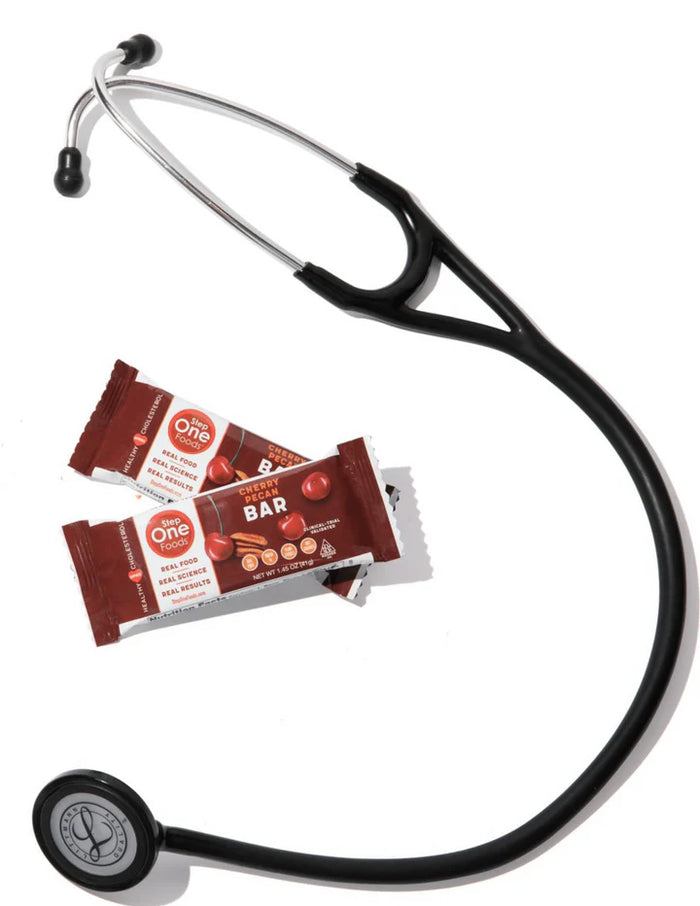
That's the same principle behind Step One Foods. In our own clinical trial, 80% of participants who ate two servings a day - built specifically to deliver the right amounts of soluble fiber, plant sterols, antioxidants, and unsaturated fats - saw lower LDL in just 30 days, without anything close to a two-day extreme reset.
Food doesn't need drama to work. It just needs enough of the right nutrients, often enough to matter.


From Dr. KlodasFood, but with a
Try Step One Foods Today
Food, but with a
medical degree.
I built Step One Foods for my patients. Two servings a day replace the breakfast and snack you already eat.
Tested in a double-blind, randomized crossover trial conducted at Mayo Clinic and the University of Manitoba, 80% of participants lowered their LDL in 30 days.
Your first order is backed by our money-back guarantee.