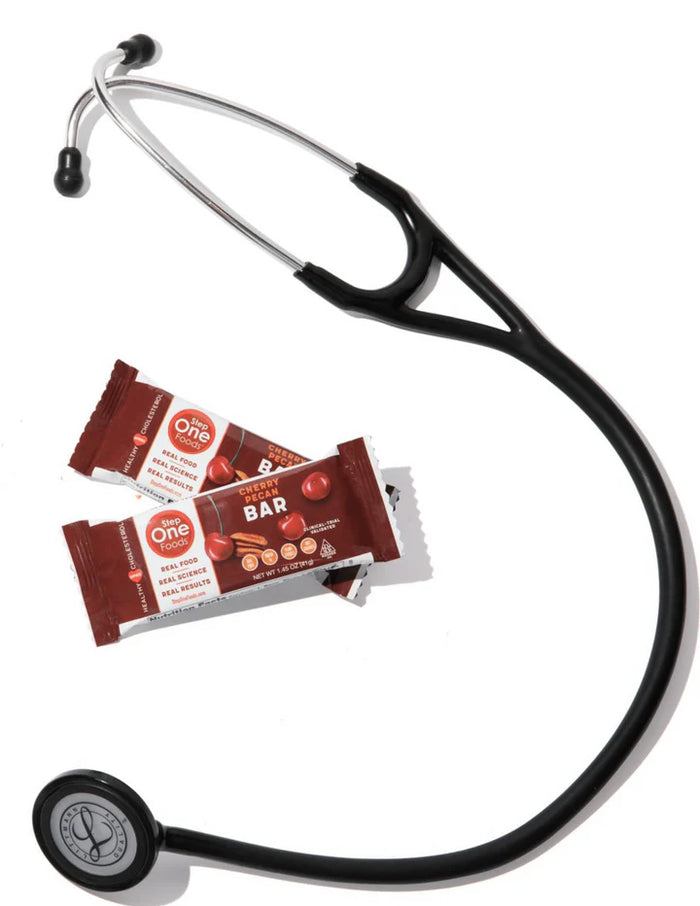
I've said it so many times - to my patients and to anyone willing to listen: High cholesterol is not caused by a deficiency of Lipitor. It's caused by a deficiency of the right foods.
And for most of my career, that's been a lonely thing for a cardiologist to say out loud. As proof, even the latest cholesterol management guideline, published just this spring, devoted 73 pages to drug therapy and only three-quarters of one page to nutrition.
So forgive me for finally feeling a little vindicated. At the end of September, the American College of Cardiology, cardiology's own professional society, released a scientific statement devoted entirely to food.
That statement says overall diet quality is key to heart health, and that medications like statins and GLP-1 drugs cannot replace a healthy diet.
Sound familiar?
What Exactly Did the ACC Say About Diet?
The big idea is that the overall quality of our diets matters - more than any single nutrient, food or trend. Heart risk, the statement says, depends more on where the food comes from and how it’s prepared rather than how it splits into carbs, fat and protein.
Decades of low-fat versus low-carb arguments, and the answer turns out to be: wrong question.
So what does high quality look like? Mostly minimally processed plant foods: vegetables, fruit, whole grains, beans, nuts and seeds, with fats from liquid plant oils, nuts and fish in place of saturated fats. Less refined starch, added sugar and salt, and fewer heavily processed foods. The Mediterranean and DASH diets are held up as the best-studied examples.
None of that is new. What's new is who's saying it.
Can You Eat Whatever You Want If You Take a Statin?
No. And a surprising number of people believe the opposite and seem to act on that belief, too. A study in JAMA Internal Medicine looked at a decade of national nutrition surveys and found that among statin users, calorie intake rose about 10% and fat intake about 14%, while among people not taking statins, calorie and fat intake didn't budge.
It's observational, so it can't prove the pill caused the change. But a statin was never meant to be a permission slip for butter on your steak.
A statin does one job, and does it well: it slows down how much cholesterol your liver makes. But it does NOTHING about how much cholesterol you absorb from the intestinal tract, or about blood pressure or about blood sugar control (In fact, statins can even raise your risk of developing type 2 diabetes). Relying on a pill while your diet stays the same is a bit like mopping the floor faster while the faucet is still running. The floor looks better. The water keeps coming.
The same goes for GLP-1 drugs. The statement is clear that a nutrient-rich diet still matters during treatment, with enough protein, fiber, vitamins and minerals to avoid deficiencies. When you're eating a lot less, every bite has to work harder.
Remember, drugs are one-hit wonders. Meanwhile food - chosen correctly - does many things all at once. Soluble fiber and plant sterols work in tandem to reduce cholesterol absorption. Plant rich diets low in sodium can lower blood pressure as well as a drug. And high fiber foods devoid of non-nutritive sweeteners support natural GLP-1 production and better blood sugar control. That's exactly why food and medications add up instead of cancel out.
Should Food Come First?
For most people, yes. Food first, with medication alongside it when it's needed.
That "when it's needed" part matters. I prescribe statins, and for some people they're essential. If you have known heart disease, diabetes or an inherited cholesterol disorder, medication is usually part of the plan. But even then, food isn't optional. Better nutrition paired with medication is more powerful than either one alone, and it may help some people reach their target on a lower dose. (That's a conversation for your doctor. Please don't change a prescription on your own.)
If your numbers are borderline, or you'd rather not start a medication yet, food is the place to begin, and it deserves a real trial. Here's how to tell whether trying food first makes sense for you.
What's the Easiest Way to Start?
One or two changes. Not ten.
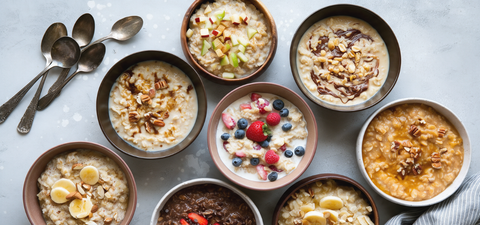
Trying to overhaul everything at once is how good intentions end up in the back of the pantry next to the bread machine. The changes that stick are swaps for something you already eat every day. Breakfast is the easiest place to start: oats instead of a sweetened cereal (even one that brags about the oats on the box). Olive oil instead of butter. A handful of nuts instead of chips.
Or start with two servings a day. That's exactly how I designed Step One Foods: two servings, eaten in place of something you'd have eaten anyway, delivering soluble fiber, plant sterols, antioxidants, and unsaturated fats in doses clinically shown to lower LDL. In our trial, 80% of participants lowered their LDL in just 30 days. It's food first in its simplest form: one change, twice a day.
Give whatever you choose 6 to 8 weeks, then recheck your numbers and let your blood test tell you what's working.
A pill can lower the number. Only the plate can fix the deficiency.
If you're new to this site and found this useful, I write one of these evidence-based articles every week. You can get them in your inbox by joining my email list at the bottom of this page. No spam, no requirement to buy anything, just practical knowledge.
From Dr. KlodasFood, but with a
Try Step One Foods Today
Food, but with a
medical degree.
I built Step One Foods for my patients. Two servings a day replace the breakfast and snack you already eat.
Tested in a double-blind, randomized crossover trial conducted at Mayo Clinic and the University of Manitoba, 80% of participants lowered their LDL in 30 days.
Your first order is backed by our money-back guarantee.