Updated July 2026
Walk down any pharmacy aisle and you'll see shelves of powders, gummies, and capsules promising to deliver your daily dose of fiber. For anyone who struggles to meet the recommended amount through diet alone, fiber supplements like psyllium husk, Metamucil, or inulin-based products can seem like an easy solution. But when it comes to long-term health, not all sources of fiber are created equal.
Do fiber supplements actually work?
They can, in specific situations. Psyllium husk, for example, has been shown to help lower LDL cholesterol and improve bowel regularity. Soluble fiber supplements may also help some people manage constipation or mild digestive discomfort.
However, relying solely on supplements misses the bigger picture. Isolated fiber can't mimic the complex mix of nutrients and antioxidants found in whole foods. While supplements may offer short-term relief, they don't deliver the same cardiometabolic benefits that come from eating fiber-rich foods.
Why does whole-food fiber work better?
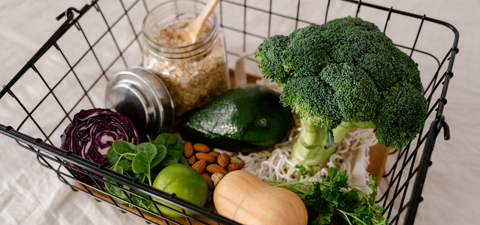
Because fiber from whole foods does much more than keep digestion running smoothly. Every apple, oat, or almond contains a unique combination of nutrients that interact to improve health in ways science is still uncovering. These natural “packages” of fiber include vitamins, minerals, and healthy fats that support gut bacteria, reduce inflammation, and improve blood sugar and cholesterol profiles. They also deliver a range of fiber subtypes at once, which is why fiber variety matters for your microbiome.
In fact, studies show that people who get their fiber primarily from plant foods, not supplements, are less likely to develop heart disease, diabetes, and other chronic conditions. That's because the synergy between fiber and the other nutrients found in real foods is what drives meaningful, lasting results.
What's the real-food advantage?
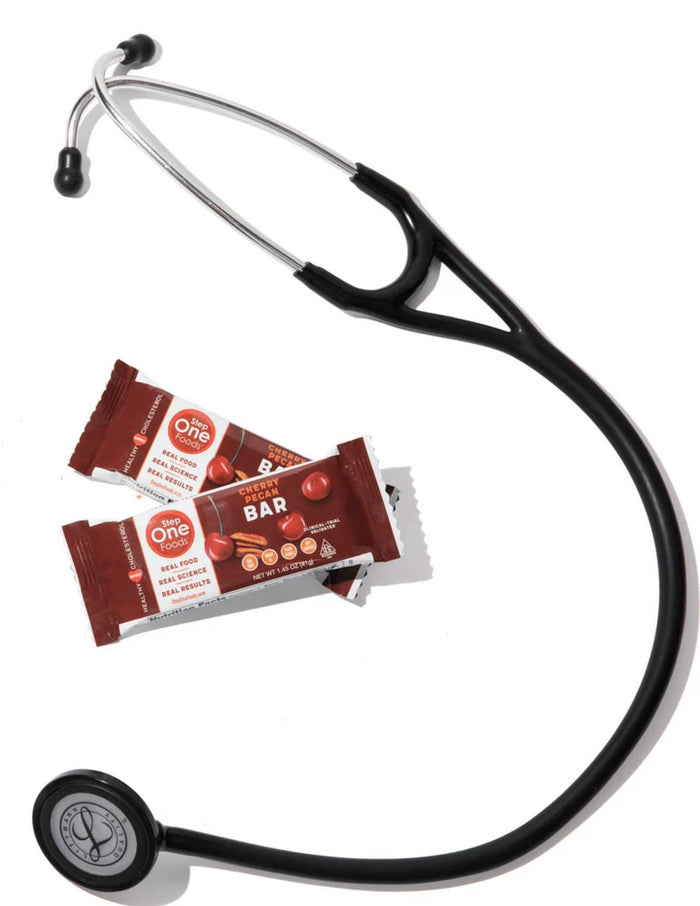
At Step One Foods, we've built every product around that principle. Instead of isolating nutrients, we combine fiber-rich ingredients like oats, nuts, fruits, and seeds to deliver powerful, real-food nutrition in the right combinations. It's an easy way to add meaningful fiber to your diet without reaching for a supplement jar, and it's one practical way to close the fiber gap. So while fiber supplements can have a place, whole foods will always win when it comes to improving long-term health.
If you're new to this site and found this useful, I write one of these evidence-based articles every week. You can get them in your inbox by joining my email list at the bottom of this page. No spam, no requirement to buy anything, just practical knowledge.


The Science Behind It
Tested & Proven Results.
- Cardiologist formulated
- Supported by over 500 publications
- Clinically-proven, in a double-blind randomized trial with Mayo Clinic and The University of Manitoba
80% of participants lowered their cholesterol in just 30 days. With just two servings per day, Step One Foods offers a proven-effective way to naturally lower LDL (bad) cholesterol.
Try Step One Foods Today!