Updated July 2026
If you've been diagnosed with high cholesterol, you've likely searched for ways to lower it naturally. In that search, you'll come across two main options: lowering it through diet or through supplements. Both get marketed hard, but they are not equally effective, and a food-first approach usually wins by a wide margin. Here's why.
Why do whole foods lower cholesterol better than supplements?
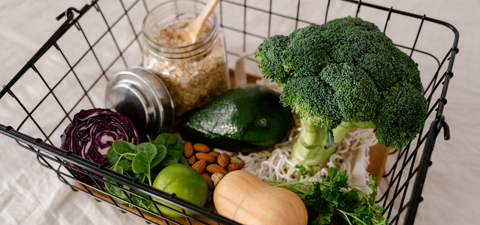
Because they work together, and they change what you're eating. Whole foods like fruits, vegetables, nuts, seeds, and whole grains contain a variety of nutrients that lower cholesterol and support overall health, including fiber, plant sterols, and antioxidants. Three components do much of the work:
Fiber. Soluble fiber, found in oats, beans, and nuts, binds to cholesterol in the digestive tract and helps remove it from the body.
Plant sterols and stanols. Naturally occurring in nuts and seeds, these compounds block cholesterol absorption.
Antioxidants and healthy fats. Foods rich in polyphenols (like berries and dark leafy greens) and healthy fats (like those in walnuts and almonds) help reduce inflammation and support cardiometabolic health.
Unlike a supplement that isolates one nutrient, whole foods deliver a complex mix of compounds that act together. And there's a multiplier effect that supplements can't replicate: eating in a way that lowers cholesterol also displaces the foods that were driving it up in the first place. A supplement asks nothing of your diet, so it leaves the original problem in place.
Do cholesterol-lowering supplements actually work?
Some have an effect, but they come with real limitations, and one telling catch. Isolated nutrients simply aren't as effective as the same compounds packaged in food; a plant sterol or fiber supplement doesn't reproduce the synergy of a whole-food meal. There's also the regulation problem: unlike food and drugs, supplements aren't tightly monitored for quality or potency, so what's on the label may not match what's in the bottle, sometimes wildly so.
Red yeast rice is the most revealing example. It's marketed as a natural alternative to statins, and it can cause the same side effects as statins, muscle pain and digestive issues, for a simple reason: the compound in red yeast rice that lowers cholesterol is biochemically identical to lovastatin, a prescription statin. So if you're going to take that compound anyway, it makes more sense to take actual lovastatin, where at least the dose is consistent from pill to pill and bottle to bottle. A "natural" label doesn't make it a different drug.
The verdict: food first
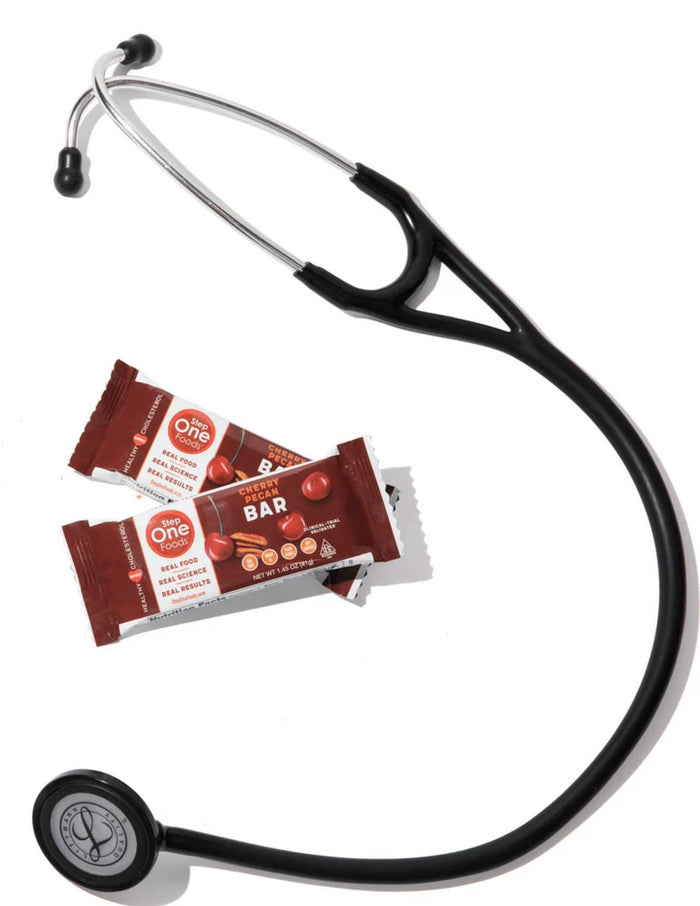
Supplements can seem like the easy button, but for cholesterol, whole foods win. Nutrient-rich foods lower LDL while delivering every other benefit that comes with eating better, none of which a capsule provides. If you want the bigger picture on supplements generally, I've written about whether supplements actually work. But when it comes to cholesterol, the best place to start is real food, and that's exactly what Step One Foods is built to make easy: whole-food ingredients like oats, nuts, and seeds, clinically shown to lower LDL, without the guesswork or the label roulette of supplements.
If you're new to this site and found this useful, I write one of these evidence-based articles every week. You can get them in your inbox by joining my email list at the bottom of this page. No spam, no requirement to buy anything, just practical knowledge.

The Science Behind It
Tested & Proven Results.
- Cardiologist formulated
- Supported by over 500 publications
- Clinically-proven, in a double-blind randomized trial with Mayo Clinic and The University of Manitoba
80% of participants lowered their cholesterol in just 30 days. With just two servings per day, Step One Foods offers a proven-effective way to naturally lower LDL (bad) cholesterol.
Try Step One Foods Today!