

Salad Before Stuffing? What Eating Vegetables First Really Does
There's a popular eating rule making the rounds. Eat your vegetables first, then your protein, and save the bread, potatoes and other carbohydrates for last. Follow that order, the promise goes, and you can cut your blood sugar spike by as much as 75%.
With Thanksgiving just days away, plenty of people are about to try this theory out on one of the most carbohydrate-heavy meals of the year.
My own holiday strategy already leans this way. But not because of any specific biochemical response. More salad and vegetables (better) on my plate simply means less room for stuffing, ham and mashed potatoes (worse). So the question for me isn't whether salad belongs on your Thanksgiving plate. It does. The question is whether eating it FIRST changes anything.
What Does Eating Vegetables First Do to Your Blood Sugar?
All carbohydrates are digested and absorbed as sugar. The difference between different carbohydrates is how quickly they’re digested and how high the sugar goes. The simpler the carbohydrate, the more processed it is, the faster it’s digested and the bigger the blood sugar rise. Eat complex fiber-full carbs (i.e. vegetables) and digestion is slower and blood sugar levels are less likely to spike.
The reason we want to avoid glucose spikes is that when blood sugar rises, the pancreas responds by releasing insulin, the hormone that moves sugar out of your bloodstream and into your cells. In a healthy person, that rise and fall is normal. It's exactly what's supposed to happen. But flood your body with insulin again and again and again? It becomes habituated to it always being around and less responsive to its actions. Cue the development of insulin resistance leading to pre-diabetes and, eventually, type 2 diabetes.
The idea behind eating in a certain order is that vegetables, eaten first, slow digestion down, so sugar enters the bloodstream more gradually. That reduces insulin needs and prevents us from entering that dysfunctional glucose control spiral.
A review published in October in the journal Clinical Nutrition pooled 18 randomized trials that tested this. Eating vegetables before less complex carbohydrates did blunt the early glucose rise. Thirty minutes after the meal, blood sugar was about 22 mg/dL lower. At 60 minutes, it was about 9 mg/dL lower.
But by two hours, blood sugar in the vegetables-first group was slightly HIGHER, by about 4 mg/dL. Insulin followed a similar pattern, starting out lower and then rising more steeply later on.
In other words, eating vegetables first seems to spread part of the blood sugar rise out over time more than preventing it outright. But it wasn’t a magical response. Think of it as a speed bump, not a roadblock. Over the full two hours, the total rise was still a little smaller. But that's a long way from 75% lower.
How Strong Is the Evidence?
Not very. The blood sugar results came from 15 small studies with 278 people in total. Most of the participants were young and healthy, and older adults and people with prediabetes were barely represented. The authors themselves rated their findings as very uncertain and concluded that no general recommendation could be made.
Protein first and fat first, two other popular versions of the rule, weren't tested at all.
And although that 75% figure gets repeated everywhere, no one seems able to point to the study it came from.
None of this means the idea is wrong. It means the evidence is thin, and it hasn't been tested in the people most likely to care about it: older adults and people whose blood sugar is starting to creep up. If you have prediabetes or diabetes, there simply isn't enough research yet to say that the order in which you eat your food should change your treatment plan.
Does Food Order Matter for the Heart?
Not on its own. The review measured blood sugar and insulin, not cholesterol or heart health. So if salad first is good for your heart, it's because of the salad, not the order.
Vegetables bring fiber, and fiber is one of the most underused tools we have. Fiber helps lower LDL cholesterol. It feeds the gut bacteria that help your body make its own GLP-1, the hormone that helps control appetite and blood sugar. And it fills you up. Yet most Americans get only about half the fiber they need. Closing that fiber gap matters far more than the order in which fiber enters your digestive tract.
No amount of salad first will turn a third helping of stuffing into a vegetable. But a plate that's already half full of vegetables does leave a lot less room for that third helping.
How Should You Eat Thanksgiving Dinner?
Start with the salad and/or the vegetables. Either way, fill half your plate with them. That advice is solid and doesn’t need fancy timing studies to confirm the multitude of downstream benefits. Then enjoy the turkey, the stuffing and the potatoes, in amounts that let you savor them. And slow down, because eating more slowly makes food more enjoyable and helps us naturally eat less.
Just don't let the order of your meal become one more thing to worry about.
I started Step One Foods to help people lower their LDL with food without having to expend a lot of energy around being successful at it. Because, honestly, we all have better things to do than worry about nutrient order. In the end, it’s not about any one dietary approach or any one nutrition benchmark. It’s about the quality and quantity of the foods you are putting into your body.
The order matters a little. The salad and vegetables matter a lot.
If you're new to this site and found this useful, I write one of these evidence-based articles every week. You can get them in your inbox by joining my email list at the bottom of this page. No spam, no requirement to buy anything, just practical knowledge.
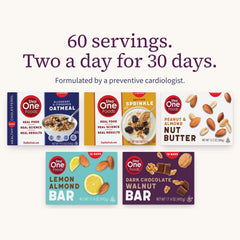
30-Day Protocol Pack
From Dr. KlodasFood, but with a
Try Step One Foods Today
Food, but with a
medical degree.™
I built Step One Foods for my patients. Two servings a day replace the breakfast and snack you already eat.
Tested in a double-blind, randomized crossover trial conducted by researchers at Mayo Clinic and the University of Manitoba, 80% of participants lowered their LDL in 30 days.
Your first order is backed by our money-back guarantee.