Updated July 2026
We hear a lot about individual nutrients and their benefits, but sometimes the real magic happens when they work together. Let's look at the powerful synergy of fiber, plant sterols, and omega-3 fatty acids, a true trifecta for lowering cholesterol and supporting heart health.
Why does this combination matter?
Because lowering cholesterol isn't just about cutting back on high-cholesterol foods or unhealthy fats; it's about strategically incorporating nutrients that actively work to improve your lipid profile. Fiber, plant sterols, and omega-3s each play unique roles, and when combined, their effects are amplified.
How does fiber lower cholesterol?
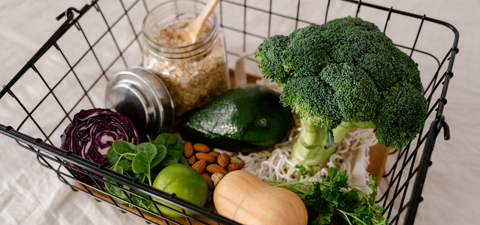
Fiber, especially soluble fiber, acts like a sponge in your digestive system, trapping cholesterol and removing it from your body before it has a chance to enter your bloodstream. Research consistently shows that high-fiber diets are linked to lower LDL cholesterol levels and a reduced risk of heart disease. Foods rich in soluble fiber include oats and oat bran, beans and lentils, fruits like apples, pears, and berries, vegetables like Brussels sprouts and carrots, and seeds such as chia and flaxseed.
Eating more fiber doesn't just help with cholesterol. It also supports gut health, stabilizes blood sugar, and keeps you feeling fuller longer. In fact, fiber is key to supporting your microbiome's ability to make adequate amounts of GLP-1, the hormone that drives satiety and blood sugar control and is mimicked by drugs like Ozempic. For the full story on fiber, see the fiber gap.
How do plant sterols lower cholesterol?
Plant sterols (also called phytosterols) are natural compounds found in plants that closely resemble cholesterol at a molecular level. Because of this similarity, they compete with cholesterol for absorption in the digestive tract, meaning less cholesterol makes it into your bloodstream. Studies show that consuming just 2 grams of plant sterols per day can reduce LDL cholesterol by as much as 10%. Foods that contain plant sterols include nuts and seeds, whole grains, fruits and vegetables, and fortified foods like certain margarines and orange juice. If you want the mechanism in detail, see how phytosterols work.
At Step One Foods, plant sterols are a key ingredient in our scientifically formulated products, ensuring you get a clinically meaningful dose with every serving.
How do omega-3s help?
Omega-3 fatty acids are essential fats that help lower triglycerides, reduce inflammation, and support overall heart function. Unlike fiber and plant sterols, which directly lower cholesterol absorption, omega-3s improve cholesterol balance by raising HDL (good) cholesterol and reducing harmful blood fats that contribute to heart disease. Omega-3s also have anti-inflammatory and mild blood-thinning properties, which help reduce the risk of acute cardiovascular events like heart attacks and strokes. Sources of omega-3s include fatty fish like salmon, mackerel, and sardines, walnuts, flaxseed and chia seeds, and algal oil, a plant-based source.
How do you bring all three together?
The best way to lower cholesterol naturally is to incorporate all three of these nutrients into your diet consistently. When you do, the effects can truly be synergistic. We've demonstrated that this nutrient combination can yield nearly 40% LDL reductions, far more than what's possible with plant sterols alone and essentially equivalent to the expected effect of a drug.
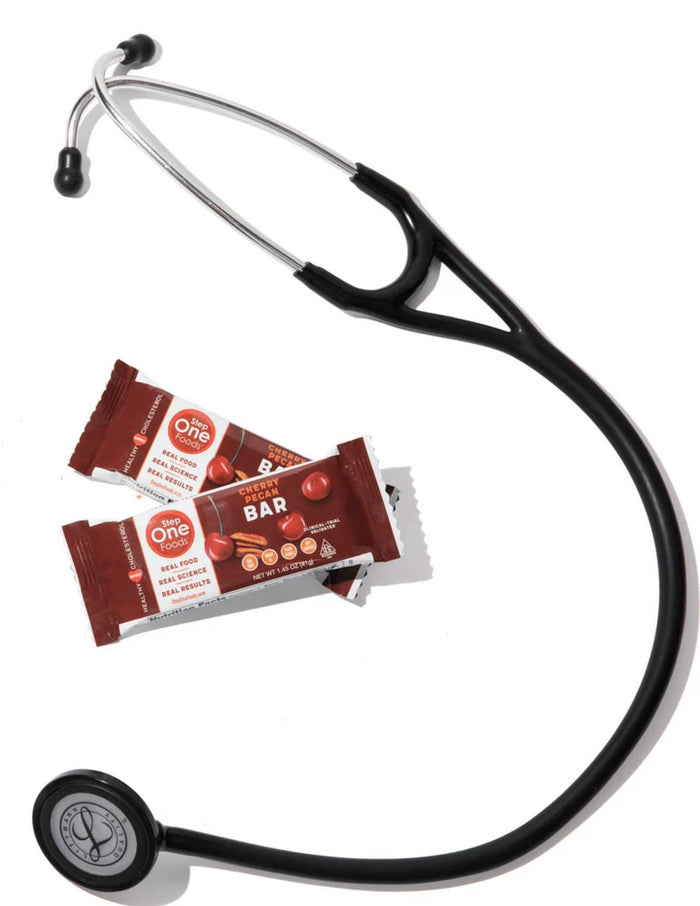
Step One Foods makes it easy to get started, but you can amp up the effect even further. Here's what a Perfect Trio day might look like. For breakfast, oatmeal topped with flaxseed and berries (or a Step One blueberry oatmeal). For lunch, a salad with walnuts, chickpeas, and avocado. For a snack, a Step One Foods bar packed with fiber, omegas, and plant sterols. And for dinner, grilled salmon with roasted Brussels sprouts and quinoa.
Whether or not you require medication for cholesterol, making fiber, plant sterols, and omega-3s a priority gives your heart the best possible support for positive outcomes. And with Step One Foods, getting these nutrients in the right amounts has never been easier.
If you're new to this site and found this useful, I write one of these evidence-based articles every week. You can get them in your inbox by joining my email list at the bottom of this page. No spam, no requirement to buy anything, just practical knowledge.


The Science Behind It
Tested & Proven Results.
- Cardiologist formulated
- Supported by over 500 publications
- Clinically-proven, in a double-blind randomized trial with Mayo Clinic and The University of Manitoba
80% of participants lowered their cholesterol in just 30 days. With just two servings per day, Step One Foods offers a proven-effective way to naturally lower LDL (bad) cholesterol.
Try Step One Foods Today!