Updated July 2026
Summer is a great time to build a few habits that genuinely change how you feel, and none of them require a program or a massive overhaul. They attach to things you're already doing, the research behind them is compelling, and most take minimal effort. Here are the ones worth adopting, starting with what you eat and then widening out to how you live.
1. Add a piece of whole fruit to at least one meal a day.
The evidence on whole fruit is among the most consistent in nutrition science. Large prospective studies have found that each additional daily serving is associated with meaningful reductions in cardiovascular disease and type 2 diabetes risk. But the operative word is whole: juice doesn't carry the same benefit, and can actually increase diabetes risk, because the fiber is gone, and it's the fiber doing most of the work, slowing sugar absorption, feeding beneficial gut bacteria, and delivering a dense package of polyphenols and antioxidants that juice can't replicate. The habit: put fruit on your breakfast plate. Berries in oatmeal, a banana alongside eggs, sliced peaches with yogurt. The barrier is low, the return is high, and summer produce is about to hit its peak.
2. Increase your water intake, deliberately.
Studies using objective hydration measures find that most adults fall short of adequate daily fluid intake, and that mild dehydration of just 1–2% of body weight impairs cognitive performance, mood, and physical endurance. Thirst is a lagging indicator; by the time you feel it, you're already behind, and that matters more as temperatures climb and you lose fluid before you notice. The habit: a glass of water first thing in the morning, a full glass with each meal, and a water bottle within reach during the workday. That scaffolding alone meaningfully raises daily intake without real effort.
3. Eat your vegetables first.
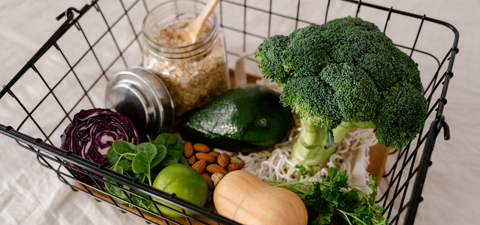
The evidence on meal sequencing is robust. Multiple randomized controlled trials have found that eating vegetables first, especially before the carbohydrates at a meal, reduces the post-meal blood-sugar spike by as much as 37%, because the fiber slows stomach emptying and the protein triggers satiety hormones before the carb-heavy portion arrives. The habit: fill half your plate with non-starchy vegetables first, then add protein, then starch, and eat in roughly that order. The meal doesn't change, just the order and the proportions. Bonus points for resisting the bread basket when eating out.
4. Eat a handful of nuts every day.
Few single habits have evidence this positive and this consistent. The landmark PREDIMED trial found that a Mediterranean diet supplemented with about an ounce of mixed nuts daily reduced major cardiovascular events by roughly 30%, and the Nurses' Health Study found a 35% lower risk of coronary heart disease in regular nut eaters. The mechanism involves unsaturated fats, fiber, plant sterols, and antioxidants all working at once (sound familiar?). And the common worry that nuts cause weight gain hasn't held up, likely because they're so satiating. The habit: one small handful daily, about 20 almonds or 14 walnut halves, as a snack or alongside what you're already eating.
5. Snack like it matters.
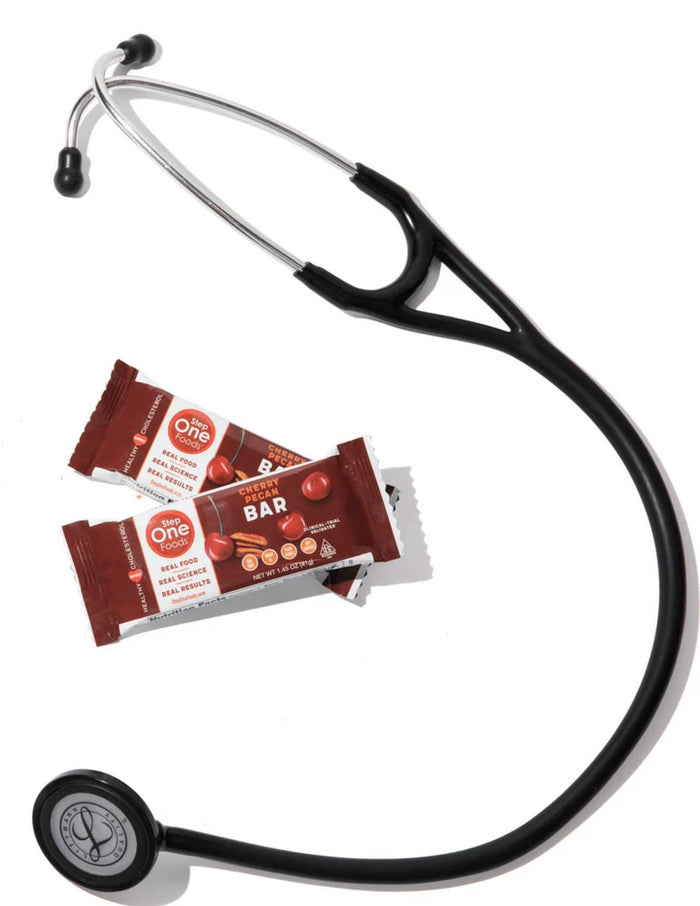
Because it does. Everything we put into our bodies affects our biochemistry. We rightly obsess over what a medication does, where it goes, what its side effects are, and we should look at food the same way. Those chips and crackers, where do they go, what do they do, and what are their side effects? The habit: make your snacks purposeful, whether that's a handful of nuts, a piece of fruit, or something else built to do you some good rather than just fill the gap.
What about the habits that aren't on your plate?
Eating well is only part of the picture. The same low-effort, attach-it-to-your-routine approach works for the other pillars of a healthy life, and summer makes several of them easier.
Take a daily walk. Regular walking supports your immune system, eases joint pain, helps with weight, and lifts mood and mental health. Summer removes the excuses, no ice, no bundling up, and the only gear you need is a good pair of shoes. One of the best decisions I ever made was going to a running store to be properly fitted; I couldn't believe how much easier and more pleasurable walking became with the right shoes, and no, they didn't have to be expensive or custom. It also helps to find a consistent time of day, a sort of circadian rhythm for exercise. I walk first thing in the morning, because if I don't work out before breakfast, it simply won't happen.
Get outside. Time in nature improves cognition and attention. Combine it with your walk by seeking out green spaces or water, and you get two wins at once. Once I got a dog, my walking moved permanently outdoors, and now I can't imagine spending my precious exercise time inside.
Connect with someone. Social connection is one of the pillars of healthy longevity, not a nice-to-have. Reach out to a friend or neighbor you haven't seen, share the excess from your garden, or arrange to take that walk with a friend (another two-for-one). Group activities and clubs are an easy way to meet people who already share an interest with you. As someone who tends toward shyness, I can tell you the hardest part is just getting started.
Protect your sleep. Adults should aim for at least seven hours. Expecting your body to perform on too little sleep is like expecting your phone to last all day on 10%. Anchor a consistent bedtime and wake time, put away the electronics, and build a wind-down routine. And if that's a struggle, go back to the top of this list, because physical activity, good nutrition, and time outdoors all help you sleep better.
The bottom line
There are many small, meaningful habits that add up to better health, and you don't have to adopt them all at once. Start with one or two, or embrace the whole list. Either way you'll be moving toward a healthier, happier you, and notice that not one item here involves a drug or a procedure. We all have far more power over our own health than we tend to give ourselves credit for.
If you're new to this site and found this useful, I write one of these evidence-based articles every week. You can get them in your inbox by joining my email list at the bottom of this page. No spam, no requirement to buy anything, just practical knowledge.


The Science Behind It
Tested & Proven Results.
- Cardiologist formulated
- Supported by over 500 publications
- Clinically-proven, in a double-blind randomized trial with Mayo Clinic and The University of Manitoba
80% of participants lowered their cholesterol in just 30 days. With just two servings per day, Step One Foods offers a proven-effective way to naturally lower LDL (bad) cholesterol.
Try Step One Foods Today!